Your Roof Needs to Breathe: Why Professional Ventilation Matters for Atlanta Homes
We all know how the Atlanta heat and humidity can feel during the peak of summer. We retreat indoors, crank up the AC, and do our best to stay comfortable. But have you ever considered what that intense heat is doing to your attic? Trapped, stagnant air can turn your attic into an oven, putting immense stress on your roof and your cooling system. The unsung hero in this battle is your roof's ventilation system. A properly ventilated roof does more than just keep your home comfortable; it protects the structural integrity of your biggest investment. For homeowners in the Atlanta area, understanding roof ventilation isn't just a technical detail—it's crucial for extending your roof's life, lowering energy bills, and preventing costly damage. In this guide, we'll explore how roof ventilation works, the warning signs of a faulty system, and why a professional assessment is essential for the health of your home.
What is Roof Ventilation and Why is it Critical in Georgia?
A roof ventilation system is a continuous flow of air through your attic space. It’s designed as a balanced system of intake vents, typically located at the lowest part of your roof (the soffits or eaves), and exhaust vents, located at the highest point (the ridge). This creates a natural convection current: cool, dry air is drawn in through the intake vents, and hot, moist air is pushed out through the exhaust vents.
In a climate like ours, this process is vital year-round. During our hot, humid summers, proper ventilation prevents superheated air from building up in the attic. This trapped heat can radiate down into your living spaces, forcing your air conditioner to work overtime and driving up your energy costs. More importantly, it can literally bake your asphalt shingles from the underside, causing them to become brittle and fail prematurely. During our milder, damp winters, ventilation helps expel moisture that naturally rises from inside your home from activities like cooking and showering. Without an escape route, this moisture can condense on the cooler surfaces of your attic, leading to mold, mildew, and even wood rot in your roof's decking and framing.
The Hidden Dangers of an Improperly Ventilated Roof
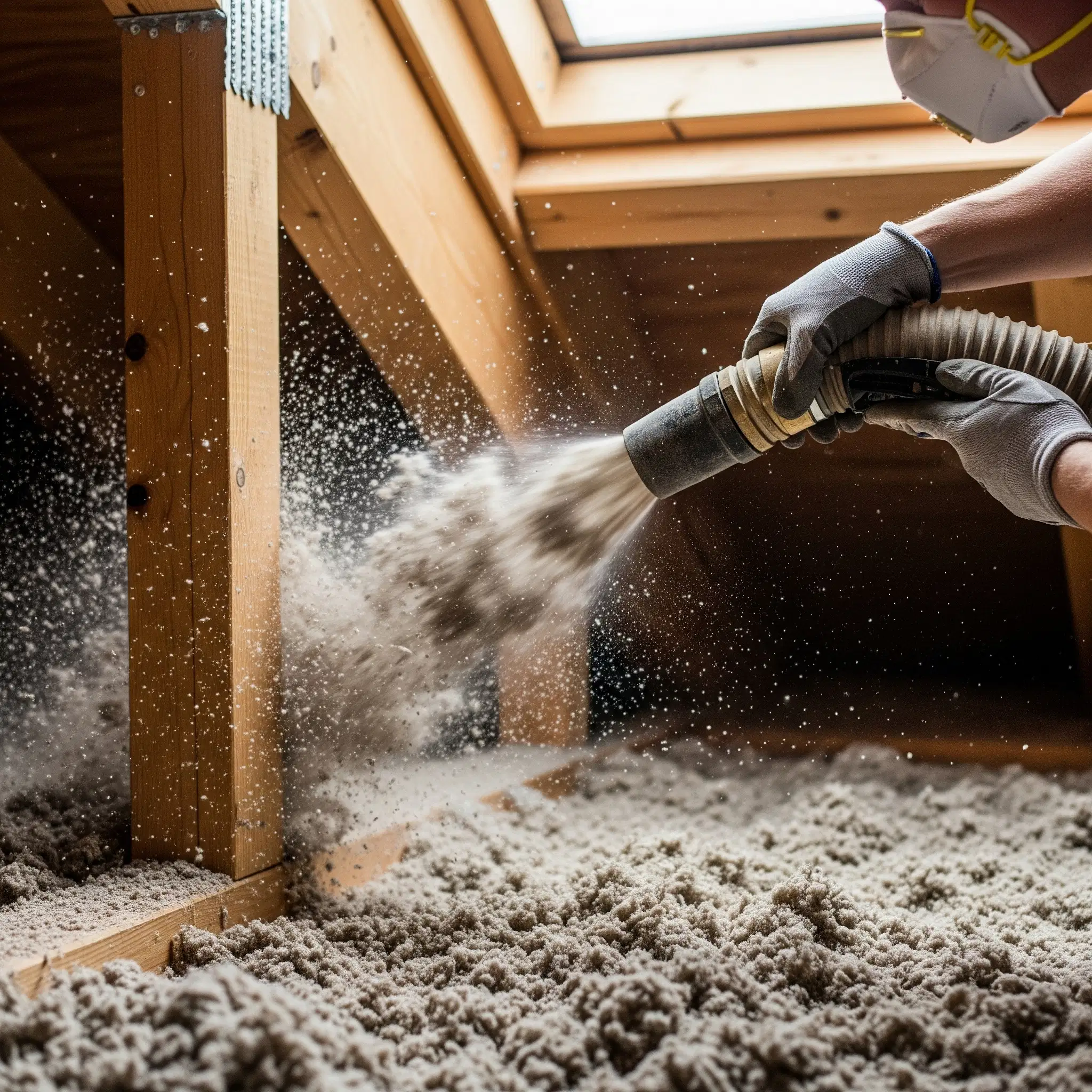
When an attic can't breathe, it creates a host of problems that can be expensive and damaging. Many homeowners are unaware of the issue until significant damage has already occurred. Understanding these risks can help you spot trouble early.
- Accelerated Roof Aging: As mentioned, excessive heat is a primary enemy of asphalt shingles. An attic that regularly reaches 150°F or more will drastically shorten the lifespan of your roof, turning a 25-year shingle into a 15-year problem. This is one of the most common reasons for premature residential roof replacements.
- Moisture Damage and Mold: Trapped moisture is a silent destroyer. It can saturate insulation, reducing its effectiveness, and create the perfect breeding ground for mold and mildew. This not only poses a health risk to your family but can also lead to rot in the wooden structures of your roof, compromising its stability.
- Sky-High Energy Bills: A poorly ventilated attic works against your HVAC system. The layer of superheated air acts like a giant heating blanket over your home, forcing your AC to run constantly to maintain a comfortable temperature. Improving ventilation can lead to significant savings on your monthly cooling costs.
- Ice Dams in Winter: While less common in Atlanta than in northern climates, ice dams can still form during cold snaps. When heat escapes from the living space into a poorly ventilated attic, it warms the underside of the roof, melting snow or frost. This water then runs down to the colder eaves and refreezes, creating a dam that can force water back up under the shingles, causing serious leaks.
Is Your Roof Telling You There's a Problem?
How do you know if your home's ventilation is up to par? There are several tell-tale signs you can look for. If you notice any of the following, it’s a strong indicator that you need a professional evaluation.
- Your upstairs rooms are always hot and stuffy.
- Your energy bills seem unusually high in the summer.
- You see curling, cracking, or deteriorating shingles on your roof.
- You notice a damp or musty odor in your attic.
- There's visible frost on the nails or wood inside your attic during winter.
- **You've experienced issues with ice dams along your roofline.
Ignoring these symptoms can lead to more extensive and costly issues down the road. A proactive approach is always best. A thorough roof inspection can identify ventilation deficiencies and determine the most effective solution, whether it's clearing existing vents, adding new ones, or addressing underlying issues during necessary roof repairs.
Protect Your Home with a Professional Ventilation Solution
Proper roof ventilation is a science. It’s not just about adding a few vents; it’s about creating a balanced system tailored to your home's specific design and attic size. Our experienced team at IROOFER CONTRACTORS understands the unique challenges posed by Atlanta's climate. We don't just look at the surface of your roof; we assess the entire system to ensure it's functioning correctly to protect your home and save you money.
Don't let a hidden problem in your attic compromise the health and longevity of your roof. If you've noticed any of the warning signs or simply want the peace of mind that comes with a professional assessment, we're here to help. Contact IROOFER CONTRACTORS today to schedule a comprehensive inspection. We'll ensure your Atlanta home is properly ventilated, safe, and ready to handle whatever our Georgia weather brings.