How Georgia's Humidity Impacts Your Roof's Lifespan
Living in the Atlanta area, we're no strangers to humidity. It’s the secret ingredient to our lush, green landscapes and the reason our sweet tea needs extra ice in July. While we’ve all learned to live with it, many homeowners don't realize the silent toll this constant moisture can take on their home's most critical line of defense: the roof. The same air that makes our summers feel tropical can significantly shorten your roof's lifespan, leading to costly repairs and potential structural issues down the road.
Understanding how our local climate interacts with your roofing system is the first step toward protecting your investment. In this guide, we'll break down the specific ways Atlanta's humidity affects your roof, what warning signs to look for, and the proactive steps you can take to ensure your roof remains strong and secure for years to come.
The Unseen Threat: Moisture and Biological Growth
One of the most visible effects of humidity on roofing is the appearance of dark, unsightly streaks. These aren't dirt or stains from rain; they're colonies of algae called Gloeocapsa magma. This algae thrives in damp, shaded environments, and the combination of our humid air and extensive tree canopy creates the perfect breeding ground.
While these streaks are primarily an aesthetic issue, they can be a red flag for more serious problems. Algae, along with moss and lichen, can trap moisture against your shingles. Here’s why that’s a problem:
- Accelerated Granule Loss: Asphalt shingles are coated with ceramic granules that protect them from the sun's harsh UV rays. Trapped moisture can loosen these granules, leaving the underlying asphalt exposed and vulnerable to deterioration.
- Shingle Damage: Moss growth is particularly destructive. Its root-like structures can lift the edges of your shingles, making them susceptible to being torn off by high winds during our notorious storm season.
- Moisture Retention: A roof covered in algae or moss acts like a sponge, holding water long after a rainstorm has passed. This constant dampness can slowly degrade the shingle material itself, reducing its effectiveness and lifespan.
Beyond the Surface: Trapped Moisture and Your Attic
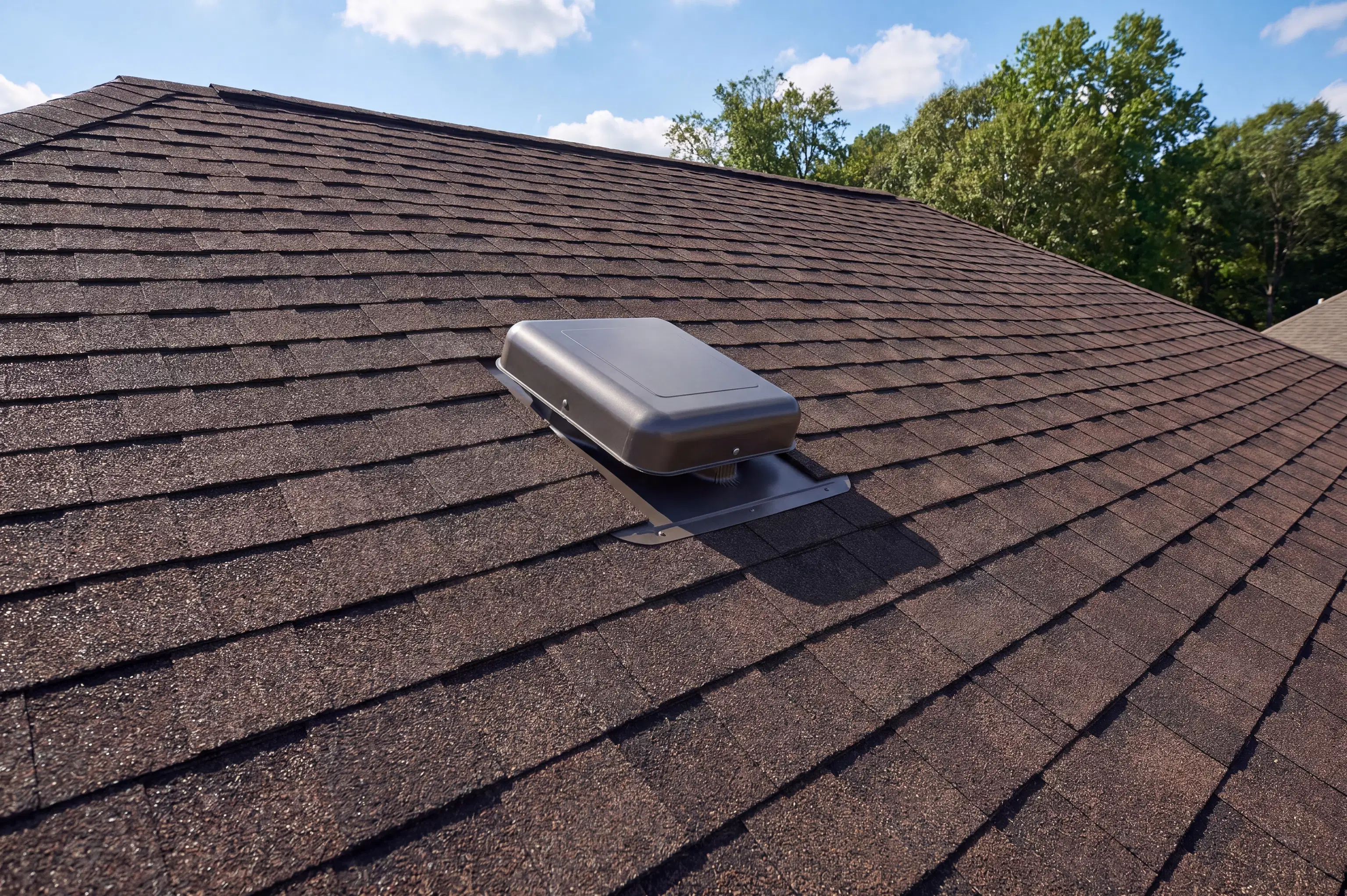
The problems caused by humidity aren't just on the surface. Your roof is a complex system, and one of its most important jobs is to breathe. Proper attic ventilation is crucial for allowing the hot, moist air that rises from your home to escape. When humidity is high, this system is put to the test.
If your attic isn't ventilated correctly, that moisture-laden air gets trapped. Over time, this can lead to a host of hidden issues that are far more serious than algae streaks:
- Warped Roof Decking: The wooden sheathing that forms the foundation of your roof can absorb this trapped moisture, causing it to swell, warp, or delaminate. This compromises the structural integrity of the entire roof.
- Mold and Mildew: A warm, damp, and dark attic is the ideal environment for mold and mildew to flourish. This not only poses health risks to your family but can also lead to wood rot.
- Reduced Energy Efficiency: When attic insulation becomes damp, it loses its effectiveness. Your HVAC system then has to work harder to cool your home, resulting in higher energy bills.
Our experienced team understands the unique challenges of Atlanta's climate and always emphasizes the importance of a properly balanced ventilation system during any roof repair or replacement project.
What to Look For: Signs of Humidity-Related Damage
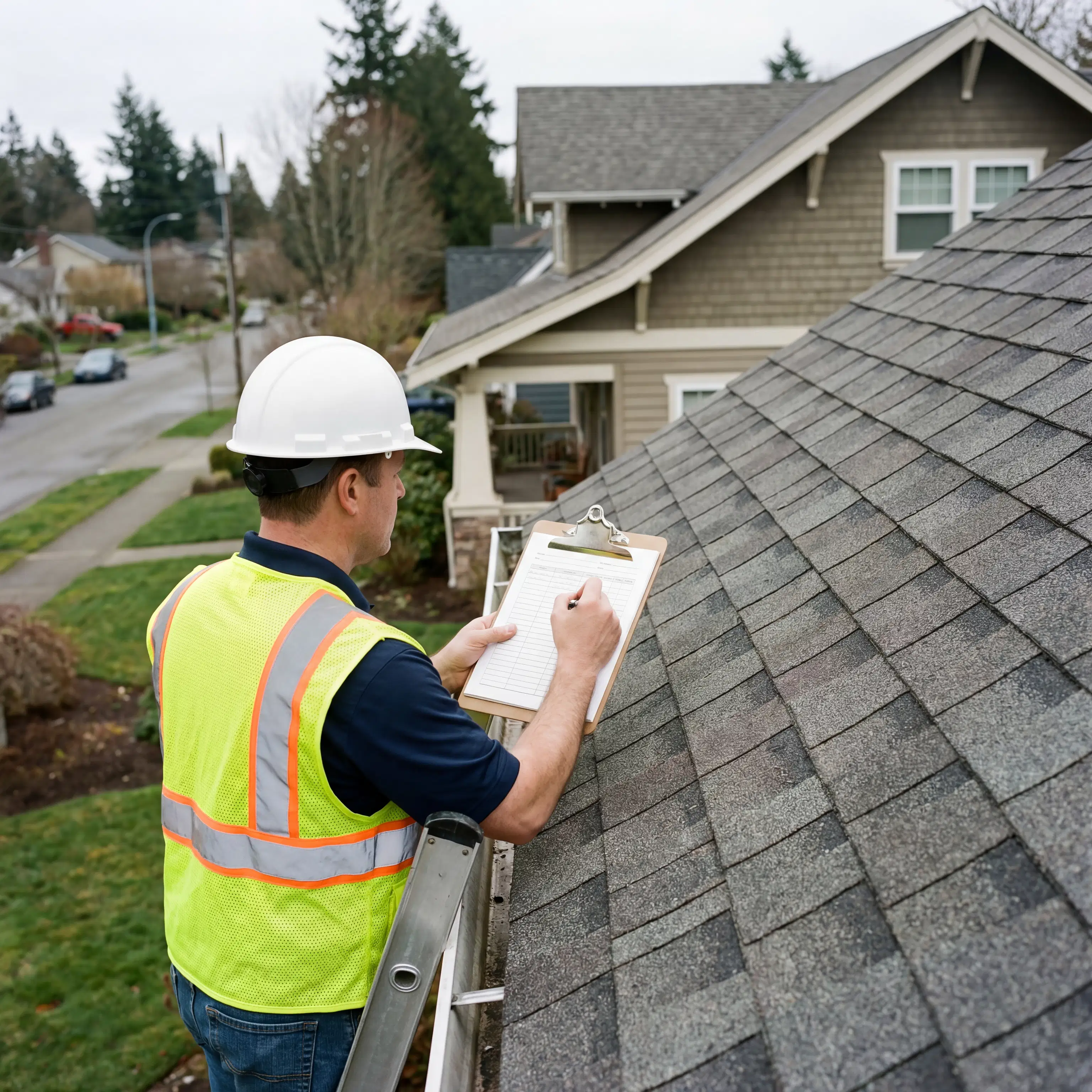
Catching humidity-related issues early is key to preventing a small problem from becoming a major expense. The best way to assess the health of your roof is with a professional roof inspection, but there are several warning signs you can look for yourself:
- On the Roof: Look for black streaks (algae), green, fuzzy patches (moss), or shingles that appear to be curling at the edges or buckling in the middle.
- In the Attic: Use a flashlight to check the underside of your roof deck. Look for water stains, dark spots that could indicate mold, or any areas where the wood feels damp or soft.
- Inside Your Home: Water stains on your ceilings or walls are a clear indication that moisture has breached your roofing system.
If you notice any of these signs, it's time to call in a professional. A thorough inspection can determine the extent of the damage and the best course of action.
Proactive Solutions for a Long-Lasting Roof
Fortunately, you can fight back against humidity. By making smart choices and staying on top of maintenance, you can protect your roof and maximize its lifespan.
- Choose the Right Materials: When it's time for a residential roof replacement, consider investing in modern asphalt shingles that are manufactured with algae-resistant technology. These shingles often contain copper granules that help prevent algae growth from taking hold.
- Ensure Proper Ventilation: Work with a trusted roofing contractor who can assess and, if necessary, improve your attic's ventilation system. This is one of the most effective long-term strategies for combating moisture buildup.
- Schedule Regular Inspections: An annual professional inspection can identify and address minor issues like lifted shingles or clogged gutters before they allow moisture to penetrate your roof system.
Don't let Atlanta's humidity get the best of your roof. By understanding the risks and taking proactive steps, you can ensure your home stays safe, dry, and protected for decades. If you have concerns about your roof's condition or want to explore options for a new, humidity-resistant system, contact IROOFER CONTRACTORS today. We’re here to provide Atlanta homeowners with reliable solutions and peace of mind.