
Fortify Your Roof: A Homeowner's Guide to Wind Resistance in Atlanta
The sound of a powerful storm rolling through is familiar to anyone living in the Atlanta area. While our famous tree canopy provides welcome shade, the high winds that accompany our seasonal weather can pose a significant threat to the most important part of your home's defense: the roof. A single loose shingle or a piece of compromised flashing can quickly turn into a major problem during a strong gust.
Preventing wind damage isn't about luck; it's about proactive maintenance and understanding your roof's vulnerabilities. This guide will walk you through practical steps you can take to improve your roof's wind resistance, ensuring your home stays safe and secure through every storm season. We'll cover key inspection points, maintenance tips, and explain why a little preparation goes a long way in protecting your investment.
Why Atlanta's Weather Puts Your Roof at Risk
High winds don't just push against your roof; they create a powerful lifting effect. As wind flows over your roof, it creates a pressure difference, with lower pressure above the roof and higher pressure inside the attic. This pressure differential can act like a giant lever, trying to pull shingles and sheathing upwards. The most vulnerable areas are the edges, corners, and the ridge of the roof, where the forces are strongest.
During a typical Atlanta storm season, your roof is repeatedly tested by thunderstorms that can produce damaging straight-line winds. Add in the potential for hail damage and debris from our beautiful but dense tree canopy, and you have a recipe for potential failure. A branch striking the roof can puncture materials or loosen shingles, creating an entry point for both wind and water. Understanding these forces is the first step toward building a stronger defense.
Your Roof's First Line of Defense: Critical Checkpoints
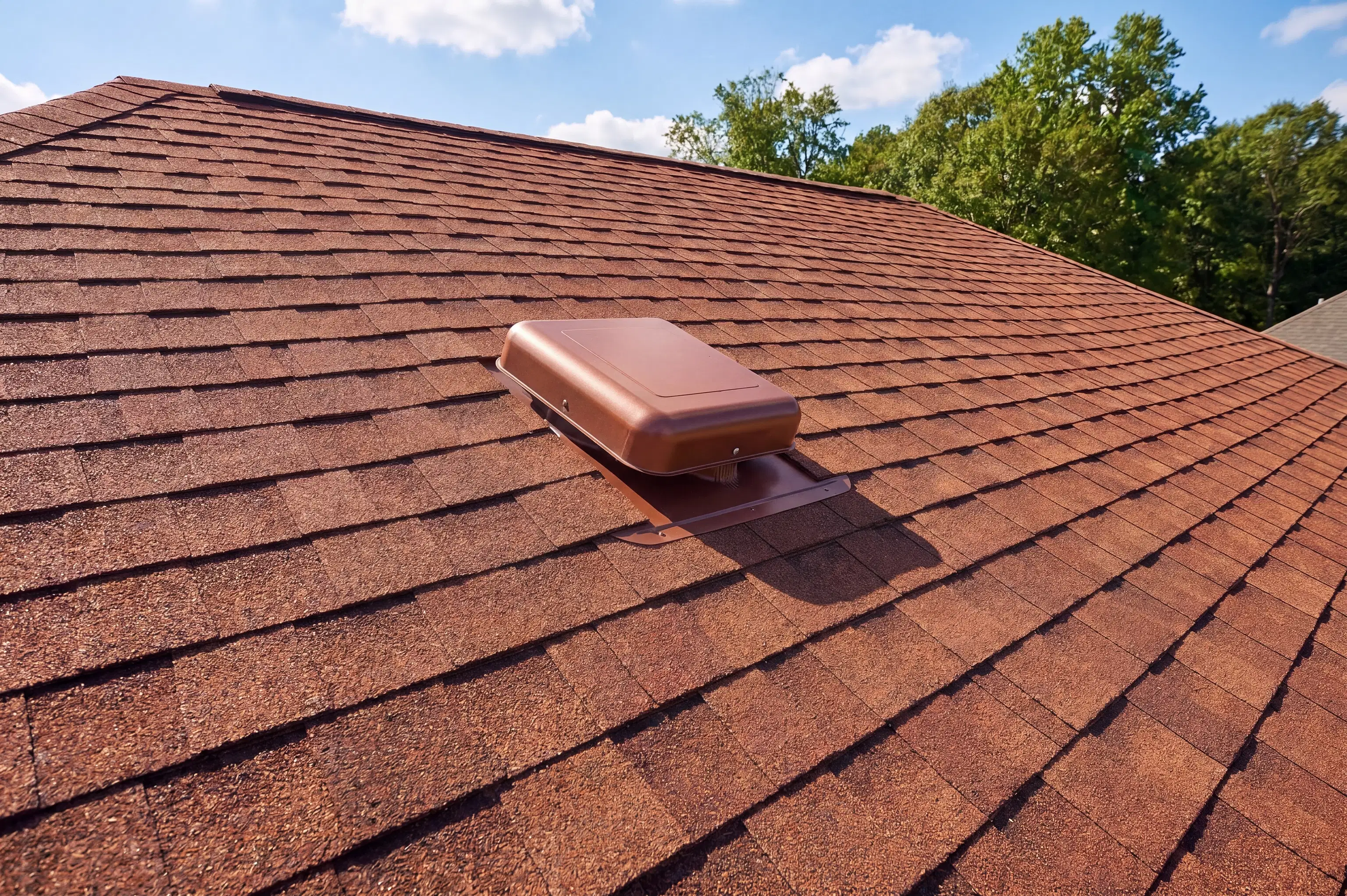
To secure your roof against high winds, you need to focus on its most critical components. Regularly checking these areas can help you spot trouble before it escalates.
Shingles and Fasteners Your shingles are the primary barrier. Look for any that are cracked, curling at the edges, or have lost their protective granules. A shingle that isn't properly adhered is an easy target for wind uplift. Once the wind gets underneath one shingle, it can create a chain reaction, tearing off an entire section. Ensuring the sealant strips are intact and fasteners are secure is crucial for preventing shingle blow-offs.
Roof Flashing Flashing consists of thin metal pieces installed around chimneys, vents, and skylights to prevent water intrusion. Because it involves seams and joints, it's a natural weak point. If the flashing is loose, bent, or rusted, it can be easily peeled back by high winds, exposing the vulnerable underlayment and decking. Timely roof repairs on compromised flashing are essential.
Eaves and Rake Edges The edges of your roof (the eaves and rakes) are where wind uplift often begins. A properly installed drip edge—a metal strip at the roof's perimeter—helps to secure this area and direct water away. Check to ensure these edges are firmly attached and the sealant beneath the first course of shingles is intact.
The Power of Proactive Maintenance and Professional Insight
An ounce of prevention is truly worth a pound of cure when it comes to your roof. A proactive approach can save you thousands in potential damages and give you invaluable peace of mind.
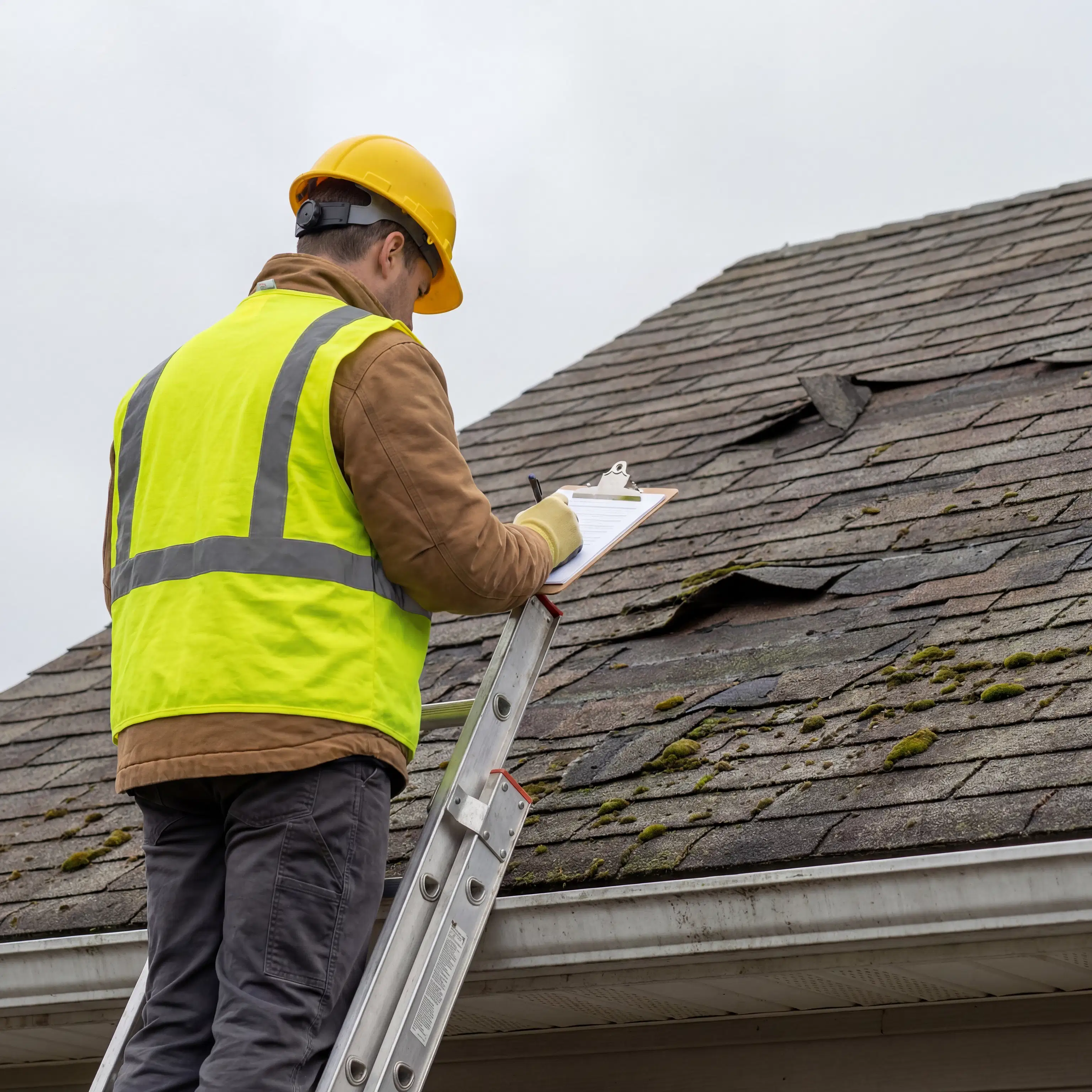
Schedule Regular Inspections The best way to stay ahead of wind damage is with routine professional roof inspections, especially before the spring storm season begins. A trained expert can safely identify subtle issues that are invisible from the ground, such as loosened fasteners or failing sealant. At IROOFER CONTRACTORS, we often use drone technology to get a detailed, high-resolution view of your entire roofing system without ever having to set foot on it, ensuring a safe and thorough assessment.
Address Repairs Promptly Don't delay small repairs. A minor issue today can become a major failure in the next storm. Promptly addressing small problems is the most cost-effective way to maintain your roof's integrity and extend its lifespan. Whether it's re-sealing a few shingles or securing loose flashing, these small fixes are critical for overall wind resistance.
Consider Upgrades During Replacement If your roof is nearing the end of its life, a residential roof replacement is an opportunity to significantly upgrade its wind resistance. Modern architectural shingles are rated for higher wind speeds, and specific installation techniques, like using six nails per shingle instead of the standard four, can dramatically improve performance. We can help you choose materials and methods that meet or exceed local building codes, providing maximum protection for your home.
Don't Wait for the Wind to Find Your Roof's Weak Spot
Your roof works hard to protect your family and your home from Atlanta's unpredictable weather. By understanding the risks of high winds and taking proactive steps to maintain your roof's key components, you can face any storm with confidence. From regular inspections and timely repairs to a full storm-ready roof replacement, a strong defense starts with a solid plan.
If you have concerns about your roof's ability to withstand the next storm, don't hesitate to reach out. The experienced team at IROOFER CONTRACTORS is here to provide thorough roof inspections, expert storm damage repairs, and trusted advice for homeowners throughout the Atlanta area. Contact us today to schedule a free consultation and ensure your roof is ready for whatever the weather brings.